
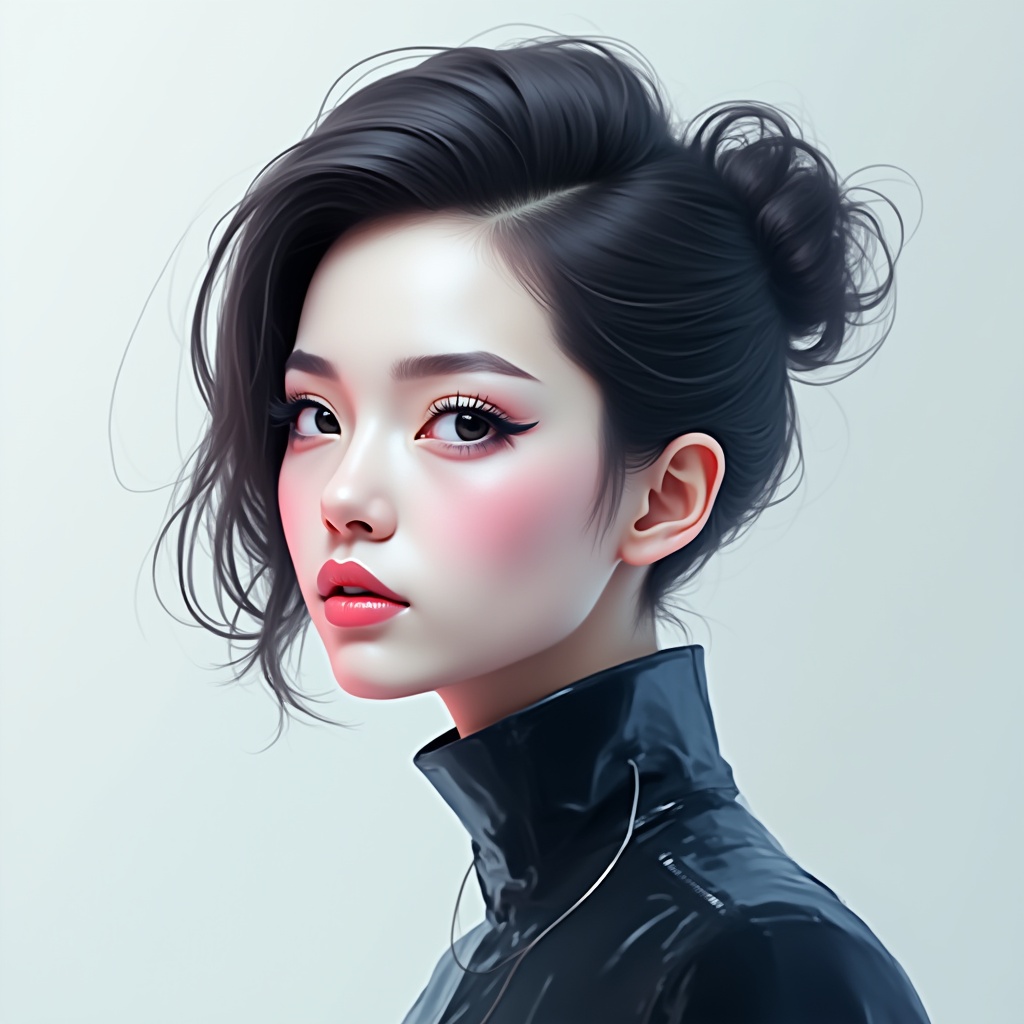
The Best AI Art Websites: 10 Platforms Creating Digital Masterpieces in 2025 include specialized marketplaces and generators that prioritize artistic quality, creative control, and true aesthetic vision—going far beyond simple text-to-image prompts to deliver gallery-worthy results.
Picture this: you’re sitting at your desk at 2 a.m., scrolling through yet another batch of AI-generated images that look like they were made by a robot having a fever dream. You know the ones—weird fingers, uncanny valley faces, compositions that make you tilt your head like a confused puppy. But then, suddenly, you stumble onto something that makes you pause. Something that actually looks… intentional. Beautiful, even.
That’s the magic of finding the right AI art platform. Because here’s the thing: not all AI art websites are created equal. Some are just glorified random-image generators, while others are legitimate creative powerhouses that artists, designers, and digital creators are using to produce work that’s actually worth selling, displaying, or turning into your next profile picture.
Let’s break it down and explore the platforms that are genuinely creating digital masterpieces—not just passable content.
What Are the Best AI Art Websites: 10 Platforms Creating Digital Master-Level Work?
The landscape of AI art generation has evolved dramatically. We’ve moved past the novelty phase where any AI-generated image was impressive simply because a computer made it. Today’s top platforms combine sophisticated algorithms with intuitive interfaces, offering genuine artistic control rather than just rolling the dice and hoping for something usable.
These aren’t your basic meme generators or profile picture randomizers. The Best AI Art Websites: 10 Platforms Creating Digital Masterpieces share several key characteristics:
- Artistic coherence — outputs that demonstrate compositional understanding, not just pattern matching
- Style consistency — the ability to maintain aesthetic choices across multiple generations
- Fine-tuning controls — parameters that actually let you shape the final result
- High resolution outputs — quality sufficient for professional use, printing, or commercial projects
- Diverse training models — systems that understand artistic movements, techniques, and cultural context
Here’s the simple version: these platforms give you tools that feel more like directing an incredibly talented artist than programming a vending machine.
Platform Category Breakdown
Before diving into specific sites, it helps to understand that AI art platforms generally fall into three categories. Each serves different creative needs and skill levels.
Text-to-image generators let you describe what you want and watch the AI interpret your vision. These range from simple prompt boxes to sophisticated systems with dozens of parameters. The best ones in this category understand artistic terminology, can reference specific styles, and give you meaningful control over composition.
Image-to-image transformers take existing artwork or photos and reimagine them through different artistic lenses. Think of them as the digital equivalent of asking a master painter to recreate your photograph in the style of Van Gogh or a cyberpunk illustrator.
Hybrid creative suites combine multiple AI tools—generation, editing, upscaling, style transfer—in one ecosystem. These platforms are where professional digital artists are increasingly spending their time, because they offer the full creative workflow rather than just one trick.
Why Professional Artists Are Actually Using These Platforms
Let’s pause for a sec and address the elephant in the room. Yes, there’s been plenty of controversy around AI art. Traditional artists have understandably expressed concern about their work being used to train models without permission, and about the potential devaluation of human-created art.
But here’s what’s actually happening in 2025: many professional artists have found ways to integrate these tools into their workflow without abandoning their craft. They’re using AI as a starting point for compositions, a way to explore variations quickly, or a tool for generating textures and elements that they then refine by hand.
The platforms that are winning with actual artists share these qualities:
- Transparent training data sources and opt-out mechanisms for artists
- Strong editing and refinement tools built into the platform
- Export options that preserve layers and allow continued work in traditional software
- Commercial licensing clarity that protects both creators and buyers
For more background on how content quality matters in the AI space, check Adobe’s perspective on ethical generative AI.
The Top 10 Platforms That Are Actually Producing Gallery-Quality Results
Now we get to the good stuff. These ten platforms represent the current state-of-the-art for AI art generation, each bringing something unique to the table. I’ve organized them by what they do best rather than trying to force a ranking, because honestly, the “best” platform depends entirely on what you’re trying to create.
For Photorealistic Masterpieces
Midjourney remains the heavyweight champion for creating images that look like they were captured by an actual camera or painted by a traditional master. Its latest models understand lighting, perspective, and material properties at a level that’s genuinely impressive.
The Discord-based interface is quirky (and let’s be honest, kinda annoying if you’re not already a Discord person), but the results speak for themselves. Portrait photographers are using it to generate concept art, fantasy illustrators are creating breathtaking landscapes, and digital marketers are making ad creative that looks professionally photographed.
Leonardo AI offers similar photorealistic capabilities but through a more traditional web interface. It’s particularly strong with character consistency across multiple generations—a huge advantage if you’re creating a series of images that need to feature the same person or creature.
Learn more in Best Humanize AI Tools: Make AI Content Sound Natural.
For Stylized and Illustrative Art
Artbreeder takes a different approach entirely. Instead of typing prompts, you blend existing images and adjust sliders to evolve your creation. It’s more intuitive for people who think visually rather than verbally, and it excels at creating character portraits, landscapes, and abstract compositions with distinctive artistic styles.
NightCafe Studio gives you access to multiple AI models through one interface, with particularly strong results for artistic styles—anime, oil painting, watercolor, digital illustration. The community aspect is robust too, with daily challenges and a marketplace where artists can sell their creations.
Runway ML bridges the gap between still images and motion, offering tools that go beyond single-frame generation. Video creators and motion designers are using it to generate animated sequences, apply style transfers to footage, and create visual effects that would traditionally require massive budgets.
For Commercial and Print-Ready Work
DALL-E 3 (integrated into ChatGPT Plus and Microsoft Designer) has dramatically improved its understanding of complex prompts and now generates images with text rendering that actually works. This is huge for marketers creating social media graphics, book covers, or any design where you need legible typography integrated into the image.
Adobe Firefly enters the space with the backing of Adobe’s decades of creative software expertise. The killer feature? It’s trained exclusively on licensed content, stock images, and public domain works, which means you can use the output commercially without worrying about copyright issues. The integration with Photoshop, Illustrator, and the rest of Adobe’s suite makes it incredibly powerful for professional workflows.
For Specialized Creative Needs
Stable Diffusion through platforms like DreamStudio offers unmatched flexibility for people who want to fine-tune models, train custom styles, or run the system locally. It’s more technical than other options, but the level of control is unparalleled. Digital artists who want to develop signature styles are increasingly training custom models based on their own work.
Canva’s AI tools might seem like an odd inclusion, but hear me out. For people creating practical, real-world digital products—social media content, presentation graphics, marketing materials—Canva’s integrated AI generation is incredibly convenient. It’s not gonna win awards for artistic complexity, but it produces clean, usable results that fit into broader design projects seamlessly.
Pixlr AI combines generation with powerful editing tools, making it particularly useful for creators who need to generate and refine in one place. The built-in tools for removing backgrounds, adjusting colors, and compositing multiple elements together make it valuable for e-commerce sellers, social media managers, and digital product creators.
You might also find helpful insights in ElevenLabs vs Descript vs Murf AI voice generator tools if you’re building multimedia projects.
How to Actually Make Money With AI-Generated Art
Here’s where theory meets reality. Creating beautiful AI art is one thing; turning it into income is another. The digital product marketplace has definitely embraced AI-generated content, but success requires more than just hitting “generate” and hoping for sales.
Marketplaces That Welcome AI Art
Creative Fabrica has emerged as one of the most creator-friendly platforms for AI art, though they do require approval to ensure quality. They’re particularly strong for digital assets that designers use in other projects—backgrounds, textures, design elements, clipart.
Etsy allows AI-generated art with proper disclosure, and sellers are finding success with print-on-demand products, digital downloads, and custom commissioned work. The key is positioning your work as “AI-assisted” rather than “AI-generated”—emphasizing your creative direction, curation, and refinement.
Redbubble and Society6 handle the printing and shipping while you focus on creating compelling designs. Upload your AI-generated artwork, apply it to products (t-shirts, mugs, phone cases, wall art), and earn a commission on each sale.
Gumroad and Ko-fi work well for selling directly to your audience—digital wallpapers, asset packs for other creators, prompt guides, or even teaching materials about your process.
The Value-Add Approach
Let’s be real: the market is flooded with basic AI art. Standing out requires adding value that pure generation can’t provide. Think of it like this—raw AI output is your ingredient, not your finished dish.
- Curation — creating themed collections that work together cohesively
- Refinement — manually editing outputs to fix issues and enhance quality
- Application — presenting your art in context (mockups, styled scenes, real-world applications)
- Storytelling — building narrative or thematic coherence across a body of work
- Customization — offering personalized versions or custom commissions based on buyer input
One creator I know generates base images with AI, then spends hours in Photoshop refining details, adjusting colors, and compositing multiple generations together. Her work sells for premium prices because it doesn’t look like everyone else’s AI art—it looks distinctly hers.
Common Myths About AI Art Platforms (And the Real Story)
The hype around AI art has created plenty of misconceptions. Let’s clear up the most persistent ones so you know what to actually expect.
Myth: All AI Art Looks the Same
Reality: Early AI art definitely had a “look”—that over-saturated, somewhat generic aesthetic that screamed “I was made by an algorithm.” Modern platforms, especially the Best AI Art Websites: 10 Platforms Creating Digital Master-level work, offer enough control and variety that you can develop a distinctive style. The key is learning to prompt effectively, choosing the right models, and refining outputs rather than using raw generations.
Myth: You Can Make Passive Income Overnight
Reality: Those “$5,328/month from digital products” headlines? They’re technically possible but represent outliers who treat this like an actual business. Successful AI art sellers spend time researching market demand, testing different styles, building audiences, optimizing listings, and continuously improving their offerings. It’s less “passive income” and more “digital product business.”
Myth: AI Art Requires Zero Skill
Reality: You don’t need traditional drawing skills, but you absolutely need other skills—compositional understanding, color theory knowledge, market awareness, and most importantly, the ability to evaluate quality and iterate toward better results. The best AI artists are skilled creative directors who understand how to guide the technology toward their vision.
Myth: Traditional Artists Can’t Compete
Reality: Traditional artists who integrate AI into their workflow are often producing the most compelling work. They understand artistic principles that pure “prompt engineers” don’t, and they can spot and fix the subtle issues that make AI art look unfinished. The combination of traditional skill and AI tools is more powerful than either alone.
Practical Tips for Getting Started With AI Art Creation
Ready to dive in? Here’s your practical roadmap for actually creating work worth sharing (and maybe selling).
Start With the Right Platform for Your Goals
Don’t try to master everything at once. Pick one platform based on what you want to create:
- Profile pictures and character art? Start with Artbreeder or Leonardo AI
- Landscape and concept art? Try Midjourney or NightCafe
- Commercial designs and graphics? Adobe Firefly or Canva’s AI tools
- Experimental and artistic work? Stable Diffusion through DreamStudio
Spend at least a week learning one platform deeply before platform-hopping. Each has quirks, and understanding them makes a huge difference in output quality.
Learn Prompting as a Craft
Effective prompting isn’t about writing longer descriptions—it’s about understanding what information the AI actually needs and how different words affect the output. Study successful prompts in community galleries, experiment systematically with variations, and keep notes on what works for different styles.
A few prompting principles that consistently work:
- Be specific about artistic medium (“oil painting,” “digital illustration,” “3D render”)
- Reference lighting conditions explicitly (“golden hour,” “studio lighting,” “dramatic shadows”)
- Include style references when appropriate (“in the style of Studio Ghibli,” “photorealistic,” “minimalist line art”)
- Use composition terms (“centered,” “rule of thirds,” “close-up portrait,” “wide angle”)
Develop a Refinement Workflow
Raw AI outputs are rarely perfect. Build a process for improving them:
- Generate in batches — create multiple variations and select the best starting point
- Identify specific issues — weird anatomy, inconsistent lighting, compositional problems
- Use inpainting/editing tools — fix problem areas while preserving what works
- Upscale thoughtfully — use AI upscalers or traditional editing software to enhance resolution without losing quality
- Add finishing touches — color correction, sharpening, and final compositional adjustments in Photoshop or similar tools
The Future of AI Art Platforms (2025 and Beyond)
The technology continues evolving at a staggering pace. Here’s what’s emerging and what it means for creators.
Improved consistency is the biggest upcoming shift. Current systems struggle with maintaining character consistency across multiple images or generating coherent text within images. The next generation of models is addressing both issues, opening up possibilities for comic creation, sequential art, and branded content that requires consistent visual elements.
Real-time generation is moving from research labs to consumer tools. Imagine adjusting sliders and seeing the image update instantly, or directing AI art generation through gestural inputs or rough sketches. This shift will make the tools feel more like traditional artistic media and less like complex machinery.
Hybrid human-AI workflows are becoming standardized. Professional creative software increasingly embeds AI tools as optional assistants rather than replacement systems. Expect more tools that let you sketch roughly by hand, then ask AI to refine specific areas while leaving your original work untouched elsewhere.
Provenance and authenticity tools are emerging to address copyright and attribution concerns. Blockchain-based systems and content credentials help track how images were created, what training data was used, and who holds rights—bringing transparency to a space that’s desperately needed it.
For insights on optimizing your creative workflow with AI tools, see Notion AI vs Mem AI productivity tool comparison.
What’s Next? Building Your AI Art Practice
You’ve got the roadmap. You understand which platforms excel at what, how to approach this realistically, and what actually matters for creating work that stands out. The Best AI Art Websites: 10 Platforms Creating Digital Masterpieces are tools—incredibly powerful ones—but they’re still just tools.
Your next steps depend on where you’re starting from:
Complete beginners should spend this week experimenting with one free platform (NightCafe or Bing Image Creator offer generous free tiers). Create 50–100 images, study what works and what doesn’t, and start building your visual intuition.
Hobbyists ready to level up might invest